


No one likes stepping into a cold shower unexpectedly. A common culprit behind inconsistent or reduced hot water is sediment buildup inside a water heater. At Clancy Plumbing and Heating, we help homeowners maintain their water heaters to ensure consistent hot water, improved efficiency, and longer appliance life. In this guide, we’ll share the correct way to clean a water heater, along with expert tips from our plumbing team.
Why Regular Water Heater Cleaning is Important
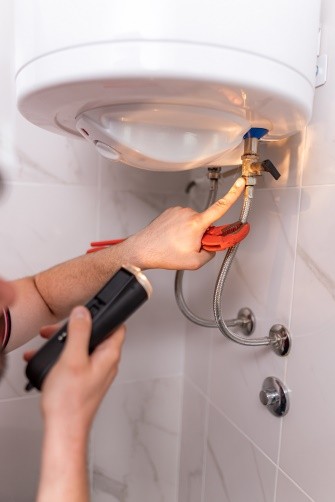
Water heaters naturally accumulate minerals, such as calcium and magnesium, over time, especially in areas with hard water. This sediment can lead to:
- Reduced heating efficiency
- Unusual noises such as popping or rumbling
- Shorter hot water supply
- Potential long-term damage to the tank
Regular maintenance ensures your water heater operates efficiently and prevents costly future water heater repairs.
Pro Tip from our plumbing experts: For households with hard water, flushing your water heater every 6–12 months is ideal.
Tools You’ll Need
Here’s a checklist to prepare for a DIY water heater cleaning:
- Garden hose
- Bucket or access to a floor drain
- Adjustable wrench
- Screwdriver (if needed to remove panels)
- Towels or rags
- Safety gloves and goggles
Being prepared ensures the process is safe and efficient.
Step-by-Step Guide: How to Clean Out a Hot Water Heater
Step 1: Turn Off Power or Gas Supply
- Electric water heaters: Switch off the breaker in your electrical panel.
- Gas water heaters: Set the gas control valve to the “pilot” position.
Safety is our top priority—never skip this step.
Step 2: Turn Off Cold Water Supply
Carefully locate the cold water inlet valve at the top of the tank and gently turn it to a closed position. This prevents new water from entering while you’re cleaning.
Step 3: Drain the Tank
- Connect a hose to the drain valve at the bottom of the tank.
- Run the hose to a floor drain, outside, or into a bucket.
- Open the valve and let the tank empty.
Expert Tip: Sediment often appears as brown or gray particles in the water after it has been drained.
Step 4: Flush the Tank
- Turn on the cold water supply briefly to stir up remaining sediment.
- Let the water flow until it runs clear.
- Repeat if necessary.
Flushing removes minerals that reduce heating efficiency and helps prevent rust from building up.
Step 5: Close Valves and Refill
- Close the valve and remove the hose.
- Turn on the cold water supply and let the tank refill.
- Switch power back on (electric) or return the gas valve to the original setting.
- Open a hot water faucet to release air.
Step 6: Test Your Water Heater
Check for leaks and run hot water at a faucet to ensure proper heating. You should notice smoother operation and improved hot water supply.
Common Mistakes Homeowners Make
- Forgetting to shut off the power or gas
- Not flushing thoroughly, leaving sediment behind
- Please refrain from using chemicals, as they can damage the tank.
- Ignoring signs of rust or corrosion
Our team at Clancy Plumbing and Heating often sees these mistakes cause preventable problems. Following proper maintenance steps keeps your water heater performing at its best.
Why Professional Plumbing Help Can Be Beneficial
While many homeowners can flush their water heater themselves, calling a professional ensures safety and efficiency. We recommend contacting a licensed plumber if:
- You notice rust or corrosion
- The tank is leaking
- Sediment buildup is severe
- You’re uncomfortable handling gas or electric heaters
Our plumbing team can clean, inspect, and maintain your water heater, giving you peace of mind and reliable hot water.
Discover our water heater maintenance services to maintain your home’s plumbing in excellent condition.
Benefits of Regular Water Heater Maintenance
- Better energy efficiency: Less sediment = faster heating = lower energy bills
- Extended lifespan: Regular cleaning can prevent premature replacement
- Reduced noise: Sediment causes popping or rumbling, which flushing eliminates
- Improved water quality: Prevents discoloration from mineral buildup
Our Expertise at Work
At Clancy Plumbing and Heating, we help homeowners maintain and clean their water heaters properly, ensuring efficient operation, consistent hot water, and peace of mind.
Whether you want to try a DIY flush or schedule a professional inspection, staying on top of water heater maintenance is a smart way to protect your home and your comfort.
Regular water heater cleaning is a small effort that pays off in comfort, energy savings, and appliance longevity. Avoid cold showers—take action today with the proper maintenance plan.